
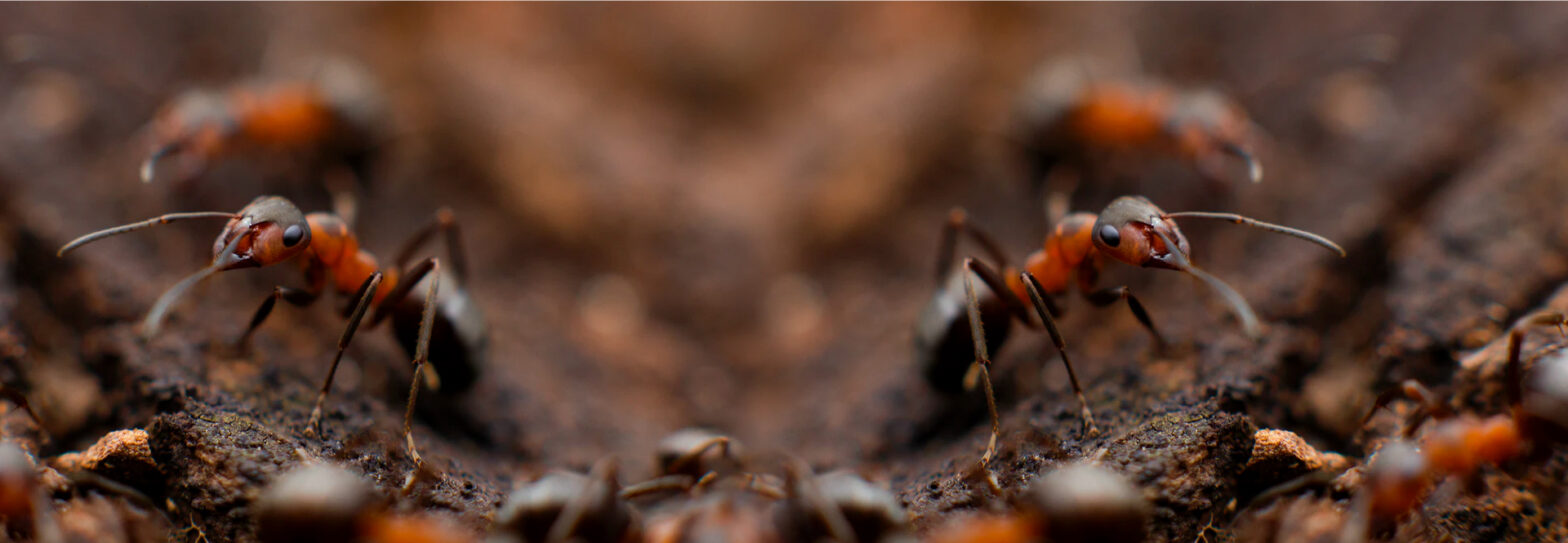
Carpenter Ants: A Tiny Threat with Big Financial Implications
Carpenter ants don’t just nibble on wood—they can silently drain thousands from your wallet before you even notice. Left unchecked, these tiny pests chew through your home’s structure, turning repairs into a costly nightmare. If you want to protect your home from pests and avoid surprise expenses, understanding the real damage carpenter ants cause is a smart first step. Keep reading to find out what’s at stake—and how to stop it.
The Hidden Costs of Carpenter Ant Infestations
Structural Damage That Adds Up
When carpenter ants move in, they don’t pay rent – they actually cost you money. Unlike termites, these insects don’t eat wood, but they hollow it out to build their nests. This creates extensive galleries and tunnels inside wooden beams, walls, and floors of your home. What starts as a small colony can grow into thousands of ants within a few years.
The repair bills from carpenter ant damage can be shocking:
-
Foundation repairs: $3,000-$8,000
-
Wall and support beam replacement: $2,000-$10,000
-
Floor joist repairs: $1,500-$5,000
Property Value Impact
When selling your home, pest damage must be disclosed to potential buyers. Houses with histories of carpenter ant problems often sell for 3-5% less than comparable homes without such issues. On a $300,000 home, that’s up to $15,000 lost in property value.
The Time Factor
Carpenter ants work slowly but steadily. By the time you notice sawdust-like material (called frass) or see the occasional ant, the colony has likely been established for months or years. This slow progression makes them particularly dangerous – the damage accumulates while you’re unaware.
Warning Signs You Shouldn’t Ignore
-
Small piles of wood shavings near baseboards or windowsills
-
Hollow-sounding wood when tapped
-
Faint rustling sounds in walls, especially at night
-
Winged ants emerging indoors (swarmers looking to start new colonies)
-
Visible ants, particularly large black or reddish ones over 1/4 inch long
Prevention: The Smart Financial Move
Regular pest inspections cost far less than repairs. For about $100-200 annually, professional inspections can catch carpenter ant problems early, before they cause thousands in damage. This is one of the most cost-effective ways to protect your home from pests.
DIY vs. Professional Solutions
While DIY treatments might seem cheaper initially, they often address only visible ants rather than locating and eliminating the hidden nest. Professional pest control targets the colony source, preventing re-infestation and saving you money long-term.
Got sawdust piles or seeing big ants around your home? Don’t wait until you’re facing major repairs. Message us today for a thorough inspection and treatment plan that will protect your investment. Our family-owned business has been helping Houston area homeowners stop carpenter ants before they become expensive problems for over 20 years.
Understanding Carpenter Ants
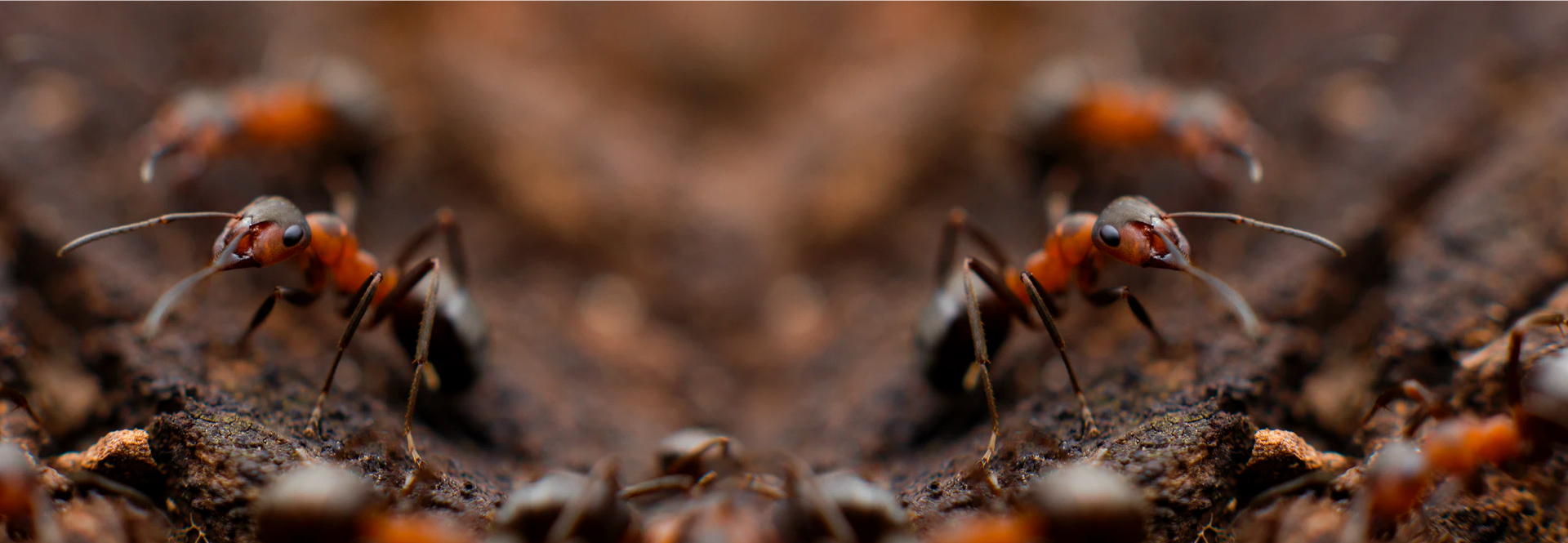
Carpenter ants rank among the most destructive pests your home can face. Unlike their smaller cousins, these wood-boring insects measure between 1/4 to 1/2 inch long and come in black, red, or a mix of both colors. They get their name from their habit of carving galleries through wood to build nests—not because they eat wood like termites.
Signs of Infestation
The tricky part about carpenter ants is their sneaky nature. They work quietly inside your walls, often for months before you spot any problems. The most common sign is finding small piles of sawdust-like material (called frass) near wooden structures. This debris isn’t actual sawdust—it’s wood shavings mixed with bits of dead insects and other nest materials that the ants push out of their tunnels.
You might also notice small openings in wood surfaces, though these can be hard to spot. They’re usually just tiny slits where the ants enter and exit. Another telltale sign is seeing large winged ants indoors, especially during spring. These are reproductive ants looking to start new colonies.
Listen carefully at night when carpenter ants are most active. A light rustling sound inside walls or wooden furniture often means they’ve made themselves at home. Many homeowners mistake this for mice at first.
Want a simple test? Tap on wooden beams or trim where you suspect ants might be. Wood that sounds hollow or makes a papery sound could indicate carpenter ant damage.
Potential Damage to Homes
When carpenter ants set up shop in your house, they create two types of nests. The parent nest holds the queen and needs moist, decaying wood. Satellite nests house worker ants and can exist in dry, sound wood—including the structural timbers that hold your home together.
Over time, these ants carve extensive tunnel systems through wooden beams, floor joists, window frames, and door frames. Unlike termites, they don’t consume the wood, but the structural damage is just as serious. Support beams weakened by ant galleries can sag, causing doors and windows to stick or floors to become uneven.
Moisture problems make carpenter ant damage worse. Leaky pipes, poor drainage, or roof issues create the perfect conditions for these pests. The ants are drawn to water-damaged wood first, then spread to healthy wood nearby.
The financial impact grows with time. What starts as a minor issue can turn into major repairs costing thousands. Damaged support beams might need complete replacement, requiring walls to be opened up. In extreme cases, carpenter ants can compromise your home’s structural integrity, making portions unsafe.
Most insurance policies don’t cover pest damage because it’s considered preventable with proper maintenance. This leaves homeowners bearing the full cost of repairs.