
Termites: Protect Your Home from Pests and Avoid Expensive Repairs
Termites quietly chew through your home’s foundation while you’re none the wiser. That slow damage can turn into costly repairs that drain your savings before you catch the problem. Learning how to protect your home from pests like termites could save you thousands and a ton of stress. Keep reading to spot the hidden dangers before they wreck your biggest investment.
The Silent Destroyers in Your Walls
Termites work 24/7, munching through wooden structures without making a sound. A typical colony can eat about one pound of wood daily. That might not sound like much, but over months or years, this adds up to major structural damage.
The Financial Nightmare
The average termite repair bill runs between $3,000 to $8,000 – but severe cases can cost homeowners $20,000 or more. What makes this worse? Most homeowner insurance policies don’t cover termite damage because it’s considered preventable.
Warning Signs You Shouldn’t Ignore
Keep an eye out for these telltale signals:
Visual Clues
-
Mud tubes along foundation walls or floor joists
-
Damaged wood that sounds hollow when tapped
-
Discarded wings near windows and doors
-
Small holes in wooden structures
-
Tiny wood-colored droppings that look like sawdust
Behavioral Signs
-
Doors and windows suddenly becoming hard to open
-
Floors that sag or feel bouncy when walked on
-
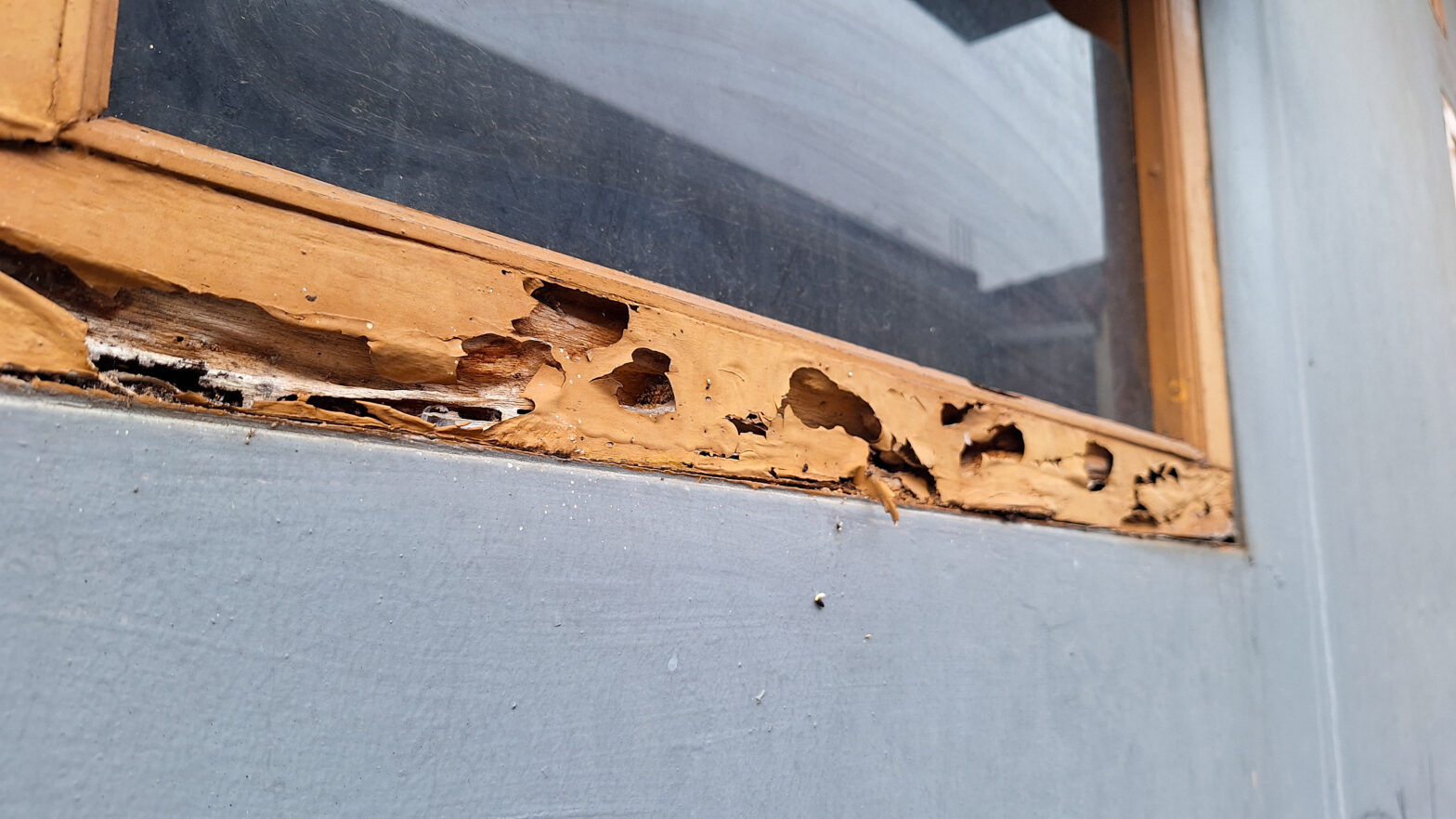
Bubbling or peeling paint that resembles water damage
Types of Termites Threatening Texas Homes
Subterranean Termites
These are the most destructive type in Texas. They build colonies underground and create mud tubes to reach food sources. A mature colony can have millions of termites.
Formosan Termites
Often called “super termites,” these pests can cause major damage in just a few months. They’re aggressive and build larger colonies than other species.
Drywood Termites
Unlike their subterranean cousins, these termites don’t need soil contact and can infest dry wood directly. They’re often found in attics and furniture.
Prevention Strategies to Protect Your Home from Pests
Reduce Moisture
-
Fix leaky pipes and faucets
-
Improve drainage around your foundation
-
Keep gutters clean and functional
-
Use dehumidifiers in damp areas
Minimize Wood Contact
-
Store firewood away from your home
-
Remove tree stumps and dead trees near the house
-
Keep mulch at least 6 inches from your foundation
Professional Treatment: The Smart Investment
DIY termite control rarely works for active infestations. Professional pest control offers:
-
Thorough inspections that find hidden colonies
-
Customized treatment plans for your specific situation
-
Preventative measures to stop future invasions
-
Regular monitoring to catch new activity early
Don’t wait until you see thousands of dollars in damage. When you consider that termites cause over $5 billion in property damage annually in the United States, professional prevention becomes one of the smartest investments you can make for your home.
Ready to stop worrying about what might be eating away at your biggest investment? Contact us today for a complete termite inspection. Our family-owned business has been helping Houston homeowners protect their properties for years with effective, reliable pest control solutions.
Termite Damage Warning Signs
Your home’s wooden structures might look perfect from the outside while hiding serious damage inside. Termites eat wood from the inside out, leaving a thin veneer that masks the destruction happening beneath the surface. Knowing what to look for can save you from a nasty surprise.
Wood Damage and Hollow Sounds
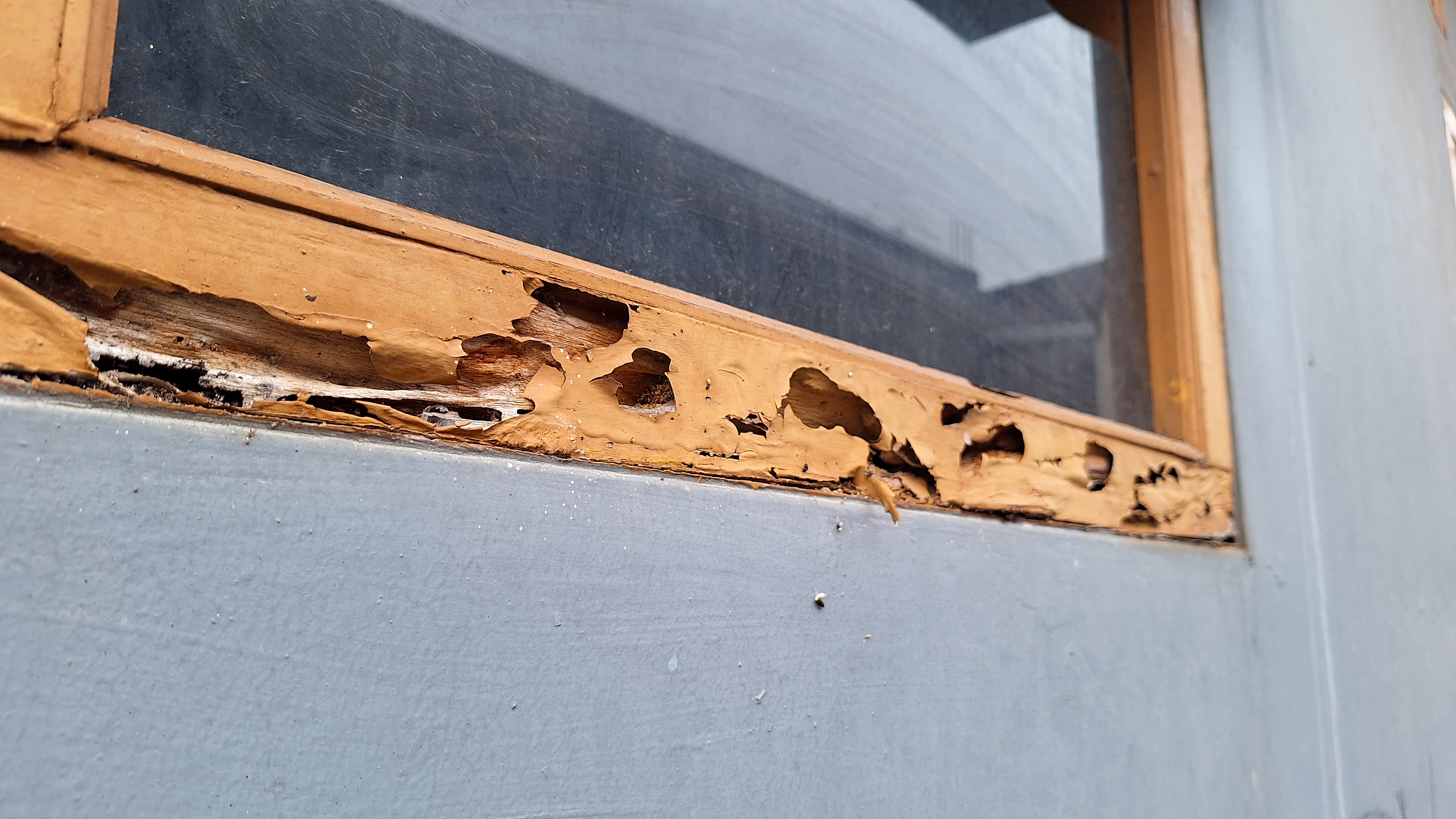
Wood that’s been attacked by termites doesn’t look like wood with normal rot. Tap on suspected areas – termite-damaged wood makes a distinct hollow sound that healthy wood doesn’t. This happens because termites create tunnels as they eat through the wood.
When checking your home, pay special attention to baseboards, door frames, and window sills. Look for wood that appears crushed or sunken in certain spots. Termites digest wood along the grain, leaving behind a honeycomb pattern you might spot if you break open a piece of damaged wood.
Another clear sign is wood that feels soft and breaks easily when prodded with a screwdriver. The damage might look similar to water damage, with the wood appearing darker or blistered in spots. Don’t be fooled by intact paint – termites can eat the wood underneath while leaving the painted surface untouched.
Floors might develop squeaky spots or feel springy when walked on. This happens when floor joists get weakened by termite feeding. In serious cases, you might notice sagging ceilings or walls that no longer seem straight.
Mud Tubes and Swarmers
Mud tubes are one of the most visible signs of subterranean termites. These pencil-width tunnels run along foundation walls, between cracks, or from soil to wood. The tubes protect termites from predators and dry air as they travel between their colony and food source.
Break open a section of an active mud tube, and you’ll likely see the small, cream-colored worker termites inside. If you find empty tubes, don’t assume the termites are gone – they might have just built new paths elsewhere in your home.
Swarmers (winged termites) offer another warning sign. These reproductive termites emerge from colonies to start new ones, often after rain when humidity is high. Finding them indoors almost always means you have an active infestation. Even finding them outside near your home suggests colonies nearby.
Look for discarded wings around window sills, door frames, and light fixtures. After swarmers find a mate, they shed their wings, leaving behind tiny piles that look like fish scales. These wings are uniform in size and shape, unlike ant wings which have different sizes.
Remember that swarmers are attracted to light. Finding them clustered near windows, porch lights, or indoor lamps should prompt immediate action to protect your home from pests already working inside your walls.